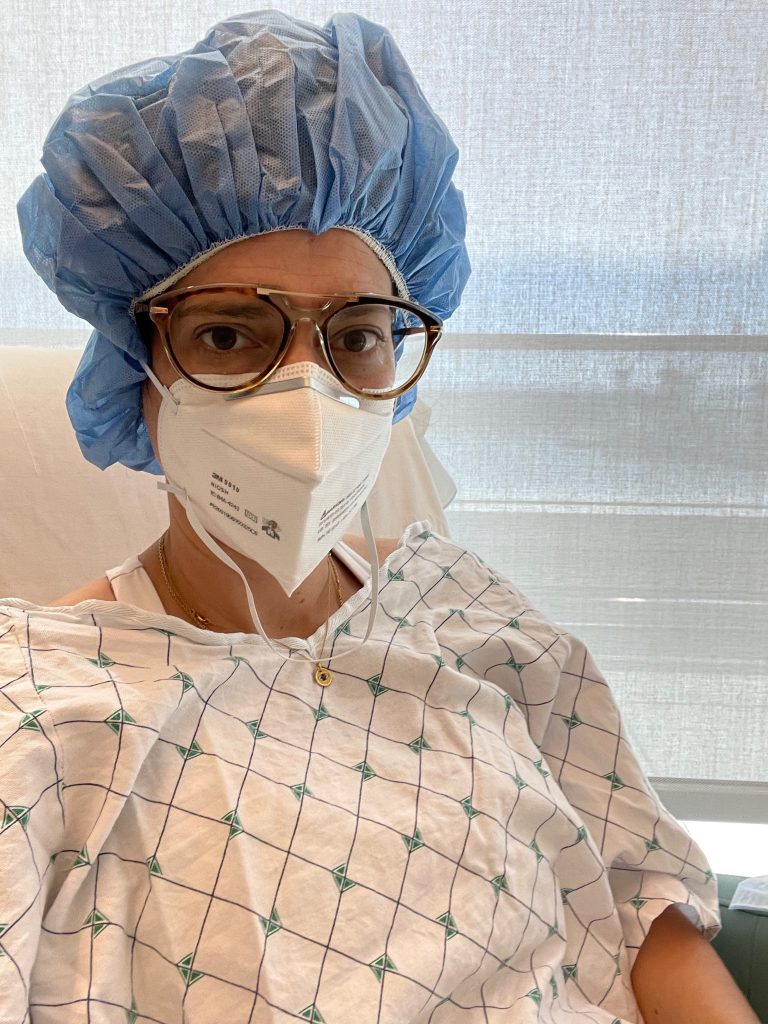
In my last post, I shared that I have Stage 3a Triple Positive Breast Cancer. In my case, the cancer had spread to the lymph nodes and my right arm pit, but had not spread to any other internal organs.
My medical oncologist, Dr Chien, discussed the importance of having the option to preserve my eggs prior to starting chemo. I do not have my own children, and I always wanted to have a family. She felt it was important for me to have this option since chemotherapy could potentially damage my fertility and the ability to get pregnant.
The Fertility Preservation Program
I had an appointment with Dr. Rosen, the Director of the UCSF Fertility Preservation Program. He diagrammed and explained the reproductive process and protocols for harvesting a woman’s eggs. He said it was likely I would only be able to obtain 6-7 eggs, and that all of them may not be viable.
I also met with a “financial navigator” regarding the cost of the fertility program. As many women may know, the process of egg retrieval and IVF is very costly. To learn more about IVF, you can click on this link. Since I was on a very tight schedule to begin chemotherapy and didn’t have the time to wait for insurance approval, I had to initially pay out of pocket to get the process started and then wait for insurance to refund the cost.
Fertility Insurance Coverage
It is noteworthy that as a result of 15 years of lobbying in Sacramento, legislation was passed in 2019, officially identified as Senate Bill 600 (”SB 600), requiring California-based insurance companies to cover the cost of fertility preservation as “medically necessary”. This means that insurance companies are required to cover the cost of fertility preservation when a medical treatment causes infertility due to surgery, chemotherapy, radiation, or other treatments. It does not apply to federal insurance programs and there may be some exceptions. I was warned that some insurance companies have been slow to catch up to this requirement (shocking), and that I may have to file an appeal if insurance coverage is initially rejected. You can find the details of SB600 at this link.
Fertility Preservation Process
While this is not absolutely essential, the treatment protocol requires my body to be stripped of estrogen, using various therapies. My ovaries will likely resume estrogen production at some point, but there is a possibility that it won’t happen.
The total amount of time that this process was expected to take was 2-3 weeks. I was happy to learn that this period before treatment would not result in any expansion of the cancer cells, as this was a big priority for me as it would be for any woman.
Mentally, the most challenging part for me was the process to preserve and protect my eggs. The statistics of my egg retrieval were not great, and it was a bit overwhelming to think about family planning as a single 37 year old, and having to preserve my ability to get pregnant.
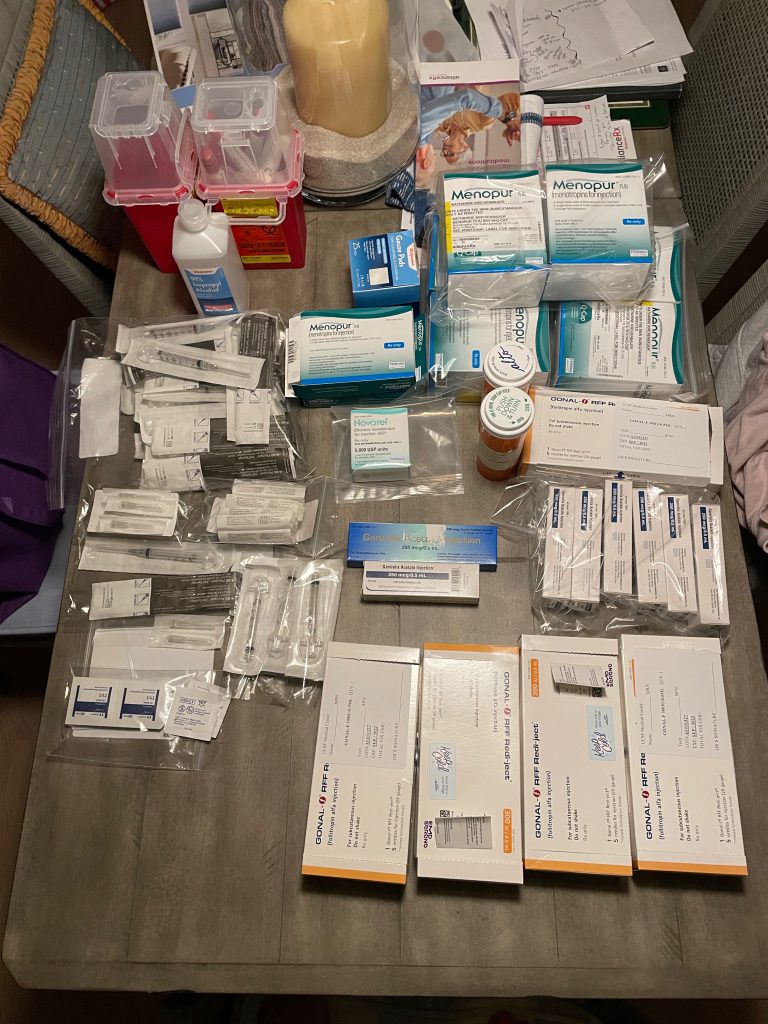
Although I am adopted and a huge advocate of adoption, I think learning the reality and chances to bear your own children is always challenging for a woman. I decided to proceed with the process and had to give myself 2 shots a day along with 2 pills that basically block my estrogen levels from rising.
The image below is of all the medications and injections I had to take during the fertility preservation process.
Fertility Preservation Approach
The approach to Fertility Preservation is two-fold:
Protection. In short, this process includes ovarian suppression drugs so that the chemotherapy is less toxic and the likelihood is increased that fertility will return.
Preservation. This is the process of harvesting and storing a woman’s eggs. It requires frequent medical therapies, ultrasounds and blood tests, including daily injections over 10-12 days. It’s also possible to conduct this procedure a second time following chemotherapy, although that process is typically less successful.
In general, the experience creates a 30–50% chance of pregnancy. While those seem like Vegas odds, they are far better than the 100% likelihood that there may be no eggs available when chemotherapy is complete or that hormone therapy could stimulate early menopause. Dr. Rosen reiterated that this 2-3 week process does NOT Increase the risk that the cancer will metastasize or that treatment will be negatively affected.
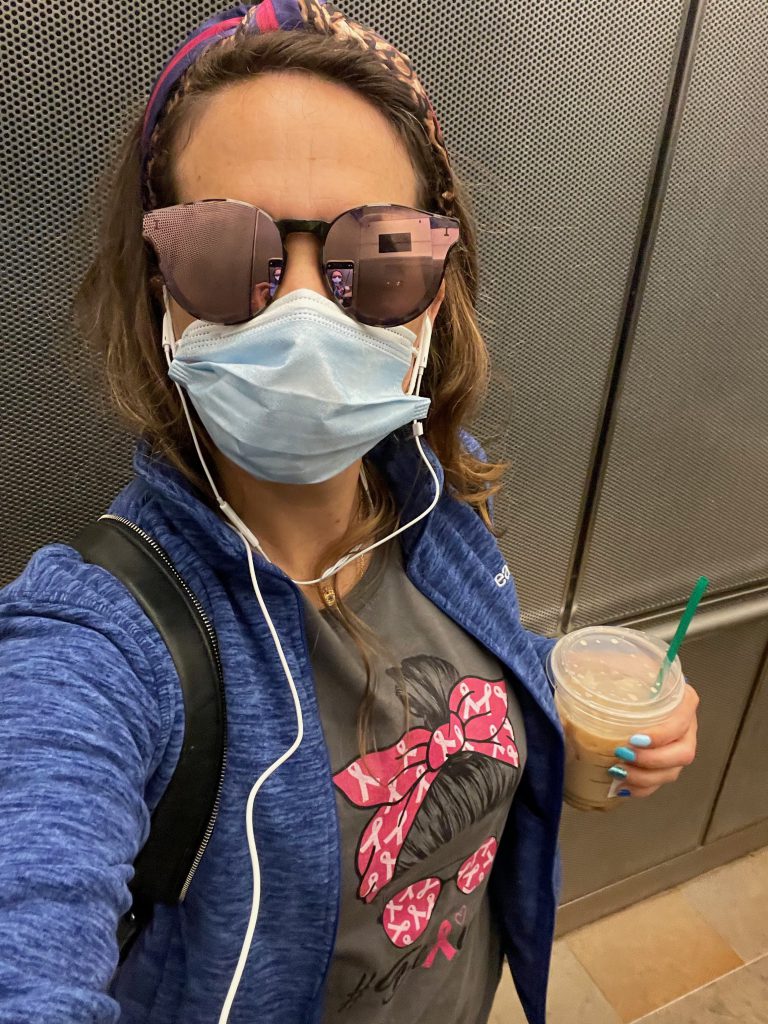
The shots were fairly easy for me to do, but the overall side effects were kicking my butt! I was sweaty all the time, hot flashes, night sweats, and my migraines were worse. Talking with the reproductive team, these were all normal side effects, and I just happened to have them all! Lucky me!
I suppose it could serve as good practice for the menopause I expect. My cancer is estrogen and progesterone positive, so when I start chemotherapy, the drugs will shut down down those hormones. I will also be on hormone therapy for at least 5 years after treatment.
The reproductive team closely monitored me. I saw them every other day and later, every day as they needed to make sure things were progressing to retrieve my eggs before my initial chemo treatment. I even went in on Saturdays and/or Sundays for blood work and ultrasounds if needed, so no days off for me!
The Cancer Diagnosis Got Real
Throughout this process, my cancer diagnosis became very real. Previously, it all felt a bit unreal and abstract. The more I told my story and met with various specialists, the more I began to understand and realize I had cancer.
I want to remain open and transparent throughout this process and discuss the challenges and tough stuff, not just share the highlights.
Life is not a highlight reel, instead a rollercoaster with many ups and downs. I also learned more and more about others who have survived cancer, so there is a lot of hope in hearing the positive results from others and to see them living a ‘normal’ life today.
It still amazes me how many women get Breast Cancer but it’s also encouraging that there are more than 3.5 million breast cancer survivors. It seems like everyone knows someone directly impacted.
Thank you for continuing to follow my journey, the next post will discuss the outcome of my egg retrieval and fertility preservation.